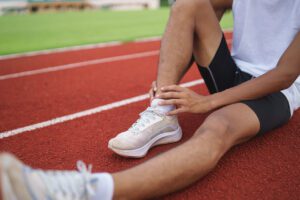


As the largest, most complex, and hard-working joint in the body, the knees are vital for most of our everyday movement. Due to its prominent use, it is also more vulnerable to physical issues. Take, for instance, the runner’s knee. Despite its misleading name, runner’s knee is not exclusive to runners but can affect virtually anyone. Moreover, it is not exactly a specific injury but a broad term that describes the pain felt by those with one of several knee problems. Below, we cover the possible root causes of the runner’s knee and ways to treat and manage the pain.
Runner’s Knee And Its Causes
Runner’s knee, otherwise referred to as patellofemoral pain (PFP) syndrome by physicians, is pain that occurs anywhere around the knee, either on the front, around the kneecap, or behind it. Some of the most common causes include:
- Excessive training or overuse resulting from sports or high-stress exercises like plyometrics and lungers can irritate tissues inside and around the kneecap or even rupture them, like in the case of a meniscus tear.
- Direct injury or trauma to the knee, such as a fall or impact.
- Feet problems like overpronation or hypermobile feet can change how you walk and result in knee pain.
- Misaligned bones occur when any of the bones from the hips to the ankles are not in their proper positions, leading to certain spots receiving too much pressure and the kneecaps being unable to move smoothly in their groove.
- Unbalanced or weak thigh muscles, especially the big muscles in front of the thigh called quadriceps, keep the kneecaps in place when bending or stretching the joint. The kneecaps may deviate from their correct position if these muscles are weak or tight.
- Chondromalacia patella, wherein the cartilage below the kneecap breaks down.
Diagnosis And Symptoms of Runner’s Knee
The main symptom is pain that may flare up whenever you are active. This includes bending the knee to run, walk, squat, kneel, or even get up from a sitting position. Besides active movement, inactivity may also cause pain, such as sitting with the knees bent for extended periods and often come with feelings of weakness or instability. Another symptom is the kneecap feeling tender to the touch. Apart from pain, you may also notice swelling around the knee area, popping sounds, or a grinding feeling in the knee.
Since these symptoms may often overlap with other health conditions, seeking a healthcare provider or specifically a doctor for knee pain for diagnosis is recommended. Physicians diagnose a runner’s knee by conducting a physical exam and looking at your health history. X-rays may also be used to look into the insides of your joint and further evaluate your condition.
How Is Runner’s Knee Treated?
Treatment will vary depending on your age, general health, symptoms experienced, and severity of the condition. For most patients, the runner’s knee gets better over time, but treatments can help accelerate the process. Home remedies that can relieve the pain and speed up recovery include:
1. Ice your knee for 20 to 30 minutes to alleviate the pain and swelling. Repeat every three to four hours for two to three days or until the pain subsides.
2. Get enough rest and avoid actions that may worsen the pain like walking, running, squatting, lunging, or standing for extended periods.
3. Provide extra support to your knee by wrapping it in sleeves, patellar straps, or elastic bandages.
4. Elevate your leg on a support like a stool or a pillow when sitting or lying down.
5. Do strengthening and stretching exercises that primarily target your quadriceps. A physiotherapist or pain management specialist in Singapore can recommend which exercises are best and how to do them properly
6. Take NSAIDs such as naproxen and ibuprofen if necessary. These medications help with the pain and alleviate swelling but may come with side effects such as ulcers and a high risk of bleeding. Consult with your doctor first if you can take them and use them as directed on the label unless they say otherwise.
Conclusion
Runner’s knee is a common health condition that can be easily treated if managed well. Recovery time will vary from person to person depending on the body and severity of the injury. Take it easy on your knees while you get better, and do not rush things. You can still be active while recovering but try something new in the meantime that will not hurt your joints. Resuming your workouts or usual physical activities before fully healing could damage your joints permanently.
If you require further assistance with treating runner’s knee, consult a healthcare provider who offers pain management in Singapore. At Pain SG, our team of multidisciplinary and seasoned specialists are always ready to assist you in managing various conditions from runner’s knee to heel pain.
Contact us for an appointment today at info@physioasia.com and get the best treatment options and pain-relieving products for your condition.